
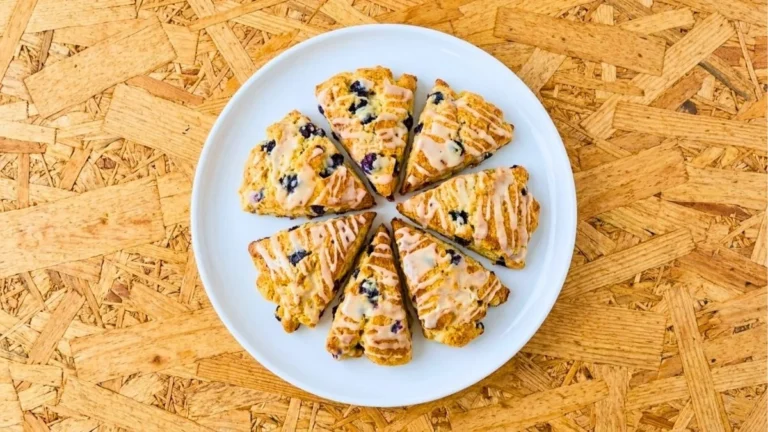

There’s something wonderfully comforting about a freshly baked scone. The outside turns lightly golden and crisp while the inside stays soft, tender, and buttery. This Sally’s Baking Addiction Scones Recipe is a lovely choice when you want a homemade treat that feels special without requiring complicated baking techniques.
These scones come together with simple pantry staples, cold butter, a little cream or buttermilk, and vanilla for a gentle sweetness. The secret is keeping the butter cold and handling the dough as little as possible. Once baked, the scones are delicious on their own, but a drizzle of simple vanilla icing makes them even more inviting. Serve them warm alongside coffee or tea for an easy breakfast, brunch, or afternoon treat.
What Is the Secret to Good Scones?
The biggest secret to good scones is keeping the butter and dough cold and avoiding overworking the mixture. Frozen butter is especially helpful because it stays cold while you mix and bake the scones. As the butter melts in the oven, it creates little pockets of steam that help give the scones a tender, flaky texture.

It is also important not to add too much liquid. The dough should look a little crumbly rather than smooth and sticky. Gently bring it together with your hands and handle it only enough to form the dough. Chilling the shaped scones before baking gives the cold butter another chance to firm up, helping the scones hold their shape and bake beautifully.
What Is the Best Flour for Scones?
All-purpose flour is one of the best choices for homemade scones because it gives them enough structure while still keeping the inside soft and tender. For this Sally’s Baking Addiction Scones Recipe, regular all-purpose flour works beautifully and is easy to find.
For especially light and delicate scones, you can use cake flour or a combination of cake flour and all-purpose flour. Cake flour has less protein, so it produces a softer texture. However, using only cake flour can make the scones a little too delicate and difficult to shape.
The most important thing is not just the type of flour but how you measure it. Too much flour can make scones dry and heavy. For the most consistent results, weigh the flour with a kitchen scale. When measuring with cups, spoon the flour into the measuring cup and level the top rather than scooping directly from the flour bag.
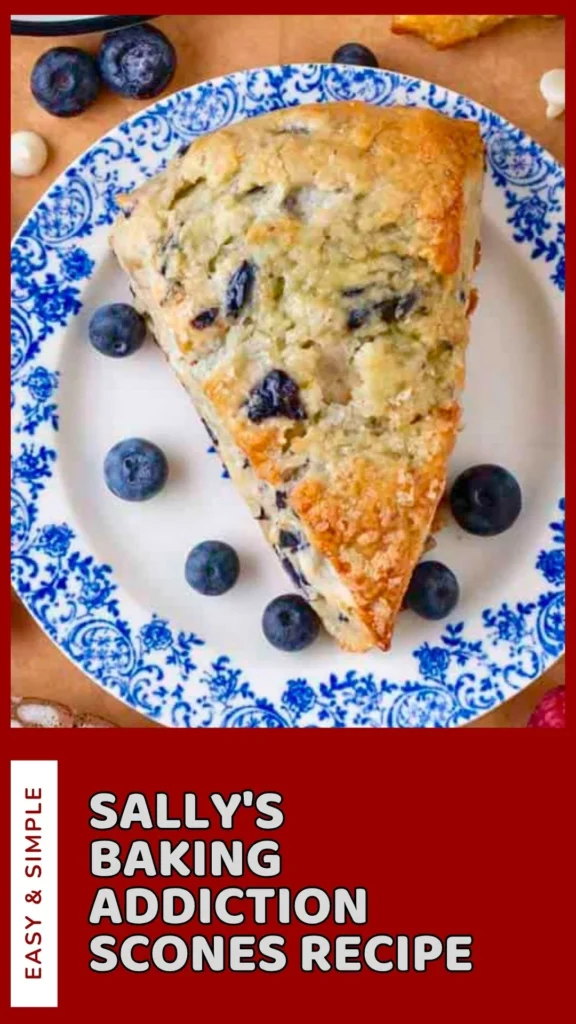
For these homemade scones, 250 g (2 cups) of all-purpose flour provides a reliable balance of tenderness, structure, and buttery flavor.
Ingredients for Sally’s Baking Addiction Scones Recipe
Gather all the following ingredients, before you start making this Sally’s Baking Addiction Scones
For the Scones
- 2 cups (250 g) all-purpose flour – Provides the structure for the scones while keeping them tender.
- ½ cup (100 g) granulated sugar – Adds sweetness and helps the tops develop a beautiful golden color.
- 2½ teaspoons baking powder – Gives the scones their light, fluffy rise.
- ½ teaspoon salt – Balances the sweetness and brings out the buttery flavor.
- ½ teaspoon ground cinnamon, optional – Adds gentle warmth and a cozy bakery-style flavor.
- ½ cup (113 g) unsalted butter, frozen and grated – Cold grated butter is the key to creating tender, flaky layers.
- 1 large egg – Adds richness and helps bind the dough together.
- ½ cup (120 ml) heavy cream or buttermilk – Adds moisture and richness. Buttermilk also gives the scones a subtle tang.
- 1 teaspoon pure vanilla extract – Adds a lovely vanilla aroma and rounds out the flavor.
For the Topping
- 1–2 tablespoons heavy cream or milk – Brushed over the tops to help them brown nicely.
- 1–2 tablespoons coarse sugar, optional – Adds a delicate crunch and a pretty finish.
Optional Vanilla Icing
- 1 cup (120 g) confectioners’ sugar – Creates the smooth, sweet base for the icing.
- 2–3 tablespoons milk or heavy cream – Thins the icing to a drizzleable consistency.
- ½ teaspoon vanilla extract – Gives the icing a simple vanilla flavor.
- Pinch of salt, optional – Helps balance the sweetness.
Kitchen Utensils and Equipment
You’ll need:
- Large mixing bowl
- Small mixing bowl
- Whisk
- Box grater
- Pastry cutter or two forks
- Measuring cups and spoons
- Baking sheet
- Parchment paper or a silicone baking mat
- Pastry brush
- Cooling rack
- Small bowl for the vanilla icing
Prep Time, Cook Time, and Servings
Prep Time: 20 minutes
Chilling Time: 15 minutes
Cook Time: 20–25 minutes
Total Time: About 55–60 minutes
Servings: 8 scones
Step-by-Step Sally’s Baking Addiction Scones Recipe
Just follow this simple step by step guideline to make your homemade version of Sally’s Baking Addiction Scones in a delicious way.
1. Mix the Dry Ingredients
Start by preheating your oven to 400°F (200°C). Line a baking sheet with parchment paper or a silicone baking mat.
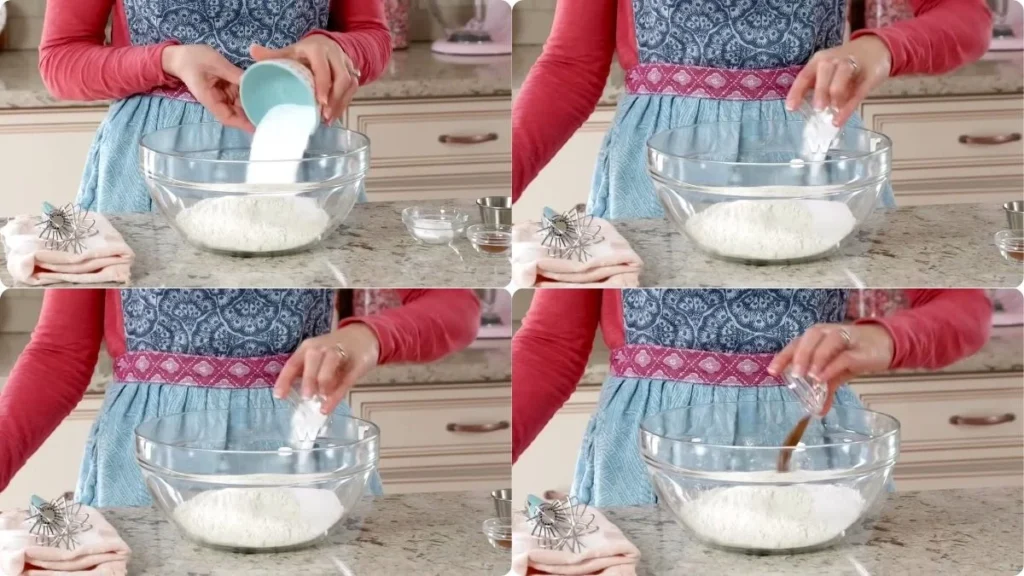
In a large bowl, whisk together the all-purpose flour, granulated sugar, baking powder, salt, and cinnamon if you are using it. Make sure the baking powder and salt are evenly distributed throughout the flour.
2. Grate the Frozen Butter
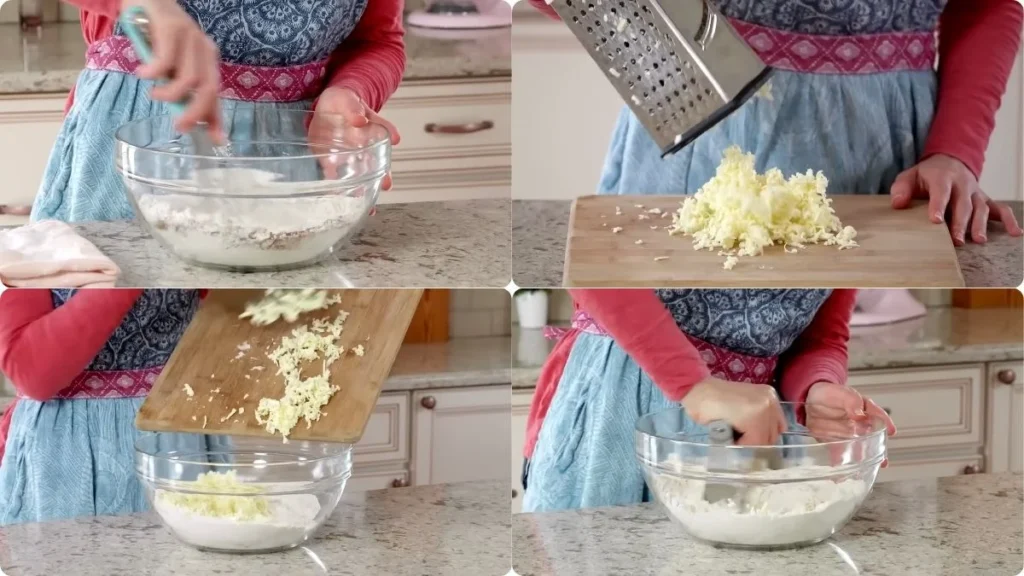
Take the frozen butter and grate it using the large holes of a box grater. Add the grated butter directly to the dry ingredients.
Use a pastry cutter, two forks, or your fingertips to gently work the butter into the flour mixture. Stop when the mixture looks crumbly and you can still see some small pieces of butter.
Don’t worry about making it perfectly uniform. Those little pieces of cold butter are what help give homemade scones their tender texture.
3. Mix the Wet Ingredients
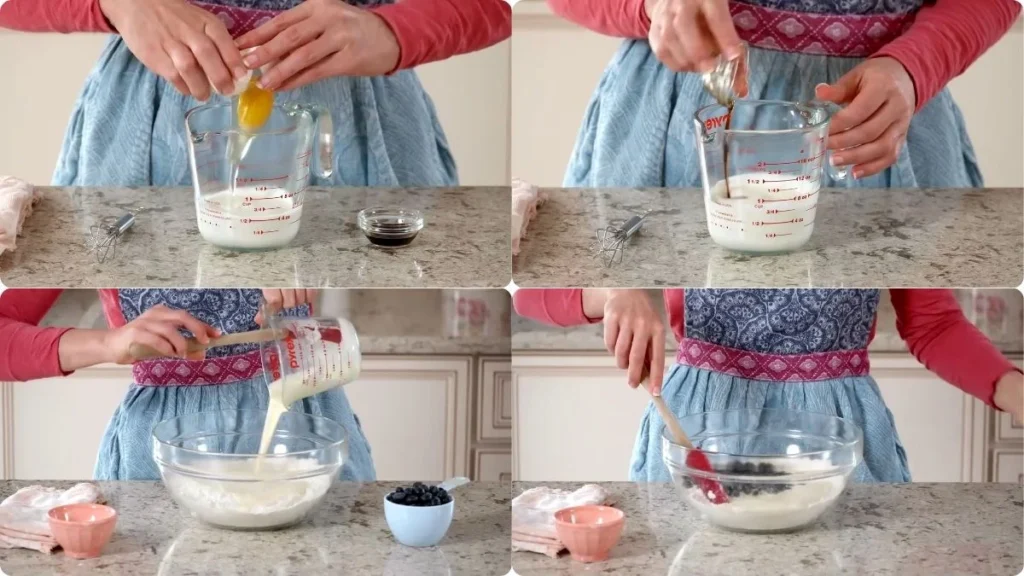
In a separate bowl, whisk together the egg, heavy cream or buttermilk, and vanilla extract until smooth and well combined.
Keep this mixture ready before combining it with the dry ingredients so you can work quickly and keep the dough as cool as possible.
4. Bring the Scone Dough Together
Pour the wet mixture into the bowl with the flour and butter. Gently stir until the ingredients are just combined.
The dough may look somewhat crumbly at this stage, and that’s perfectly fine. Avoid mixing it until smooth because overworked dough can produce dense, tough scones.
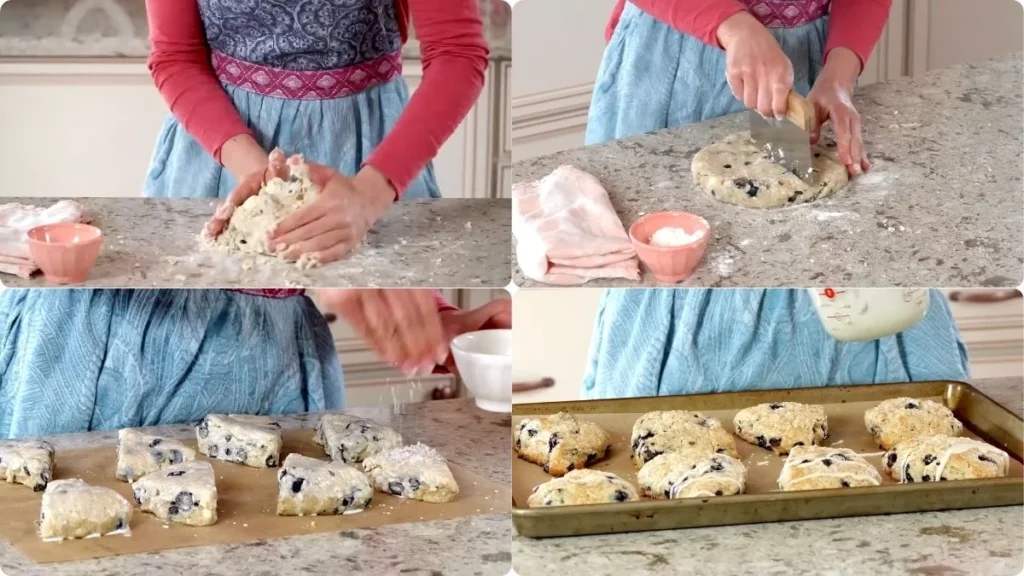
Transfer the dough to a lightly floured surface and gently press it together. Shape it into an approximately 8-inch disc.
5. Cut and Chill the Scones
Use a sharp knife or bench scraper to cut the dough into 8 equal wedges.
Arrange the wedges on the prepared baking sheet, leaving a little space between each one. Brush the tops lightly with heavy cream or milk, then sprinkle with coarse sugar if desired.
Place the baking sheet in the refrigerator and chill the shaped scones for at least 15 minutes. This short chilling step helps keep the butter cold and encourages a better texture in the finished scones.
6. Bake the Scones
Bake the chilled scones in the preheated 400°F (200°C) oven for 20–25 minutes.
They should puff up and become golden brown around the edges and on top. The outside should feel lightly crisp while the centers remain tender.
Once baked, remove the scones from the oven and allow them to cool slightly on the baking sheet.
7. Make and Add the Vanilla Icing
For the optional vanilla icing, whisk together the confectioners’ sugar, 2 tablespoons of milk or heavy cream, and vanilla extract.
Add a little more liquid, a small amount at a time, if the icing is too thick. For a thicker icing, use less liquid.
Add a tiny pinch of salt if desired, then drizzle the icing over the slightly cooled scones.
Serve while they are still warm or at room temperature.
Tips, Tricks, and Substitutions for Sally’s Baking Addiction Scones
Keep the butter frozen: Grating frozen butter makes it easy to distribute throughout the flour while keeping it cold.
Don’t overmix the dough: A few crumbly spots are better than a smooth, heavily worked dough. Mix only until the ingredients come together.
Chill before baking: Even a short 15-minute chill helps the butter stay firm and can make the scones taller and more tender.
Measure flour carefully: Too much flour can make scones dry and heavy. For the most accurate result, weighing the flour is best.
Use buttermilk for extra flavor: Heavy cream gives a rich, tender scone, while buttermilk adds a pleasant tang.
Don’t skip the baking powder: It provides the lift needed for soft, fluffy scones.
Add your favorite flavors: You can gently fold in ingredients such as dried cranberries, raisins, chocolate chips, chopped nuts, or citrus zest. Avoid adding too many extras, as they can make the dough difficult to shape.

Skip the icing for a simpler scone: The scones are delicious with just the cream or milk brushed on top and a sprinkle of coarse sugar.
Serving Suggestions for Sally’s Baking Addiction Scones
These homemade scones are especially good served slightly warm with a cup of coffee, tea, or hot chocolate. For breakfast or brunch, serve them with butter, fruit preserves, lemon curd, or whipped cream.
You can also pair them with fresh berries and yogurt for a simple morning spread. For an afternoon tea-style treat, arrange the scones on a serving plate and offer vanilla icing, jam, and butter on the side.
The coarse sugar topping gives them a lovely bakery-style finish, while the vanilla drizzle makes them feel a little more indulgent.
More Dessert Recipes to Try
Enjoyed these homemade scones? Keep baking with more delicious dessert recipes:
- Sally’s Baking Addiction Cinnamon Rolls Recipe
- Sally’s Baking Addiction Pecan Pie Recipe
- Sally’s Baking Addiction Brownies Recipe
Storage and Reheating Instructions
Store leftover scones in an airtight container at room temperature for up to 2 days.
To warm them, place a scone in a 300°F (150°C) oven for about 5–10 minutes. You can also microwave one for about 10–15 seconds, although the oven will help bring back some of the crispness.
For longer storage, freeze the baked scones in a freezer-safe container or bag. Thaw them at room temperature and warm them in the oven before serving.
Sally’s Baking Addiction Scones Recipe
Ingredients
Method
- Start by preheating your oven to 400°F (200°C). Line a baking sheet with parchment paper or a silicone baking mat. In a large bowl, whisk together the all-purpose flour, granulated sugar, baking powder, salt, and cinnamon if you are using it. Make sure the baking powder and salt are evenly distributed throughout the flour.
- Take the frozen butter and grate it using the large holes of a box grater. Add the grated butter directly to the dry ingredients. Use a pastry cutter, two forks, or your fingertips to gently work the butter into the flour mixture. Stop when the mixture looks crumbly and you can still see some small pieces of butter. Don’t worry about making it perfectly uniform. Those little pieces of cold butter are what help give homemade scones their tender texture.
- In a separate bowl, whisk together the egg, heavy cream or buttermilk, and vanilla extract until smooth and well combined. Keep this mixture ready before combining it with the dry ingredients so you can work quickly and keep the dough as cool as possible.
- Pour the wet mixture into the bowl with the flour and butter. Gently stir until the ingredients are just combined. The dough may look somewhat crumbly at this stage, and that’s perfectly fine. Avoid mixing it until smooth because overworked dough can produce dense, tough scones. Transfer the dough to a lightly floured surface and gently press it together. Shape it into an approximately 8-inch disc.
- Use a sharp knife or bench scraper to cut the dough into 8 equal wedges. Arrange the wedges on the prepared baking sheet, leaving a little space between each one. Brush the tops lightly with heavy cream or milk, then sprinkle with coarse sugar if desired. Place the baking sheet in the refrigerator and chill the shaped scones for at least 15 minutes. This short chilling step helps keep the butter cold and encourages a better texture in the finished scones.
- Bake the chilled scones in the preheated 400°F (200°C) oven for 20–25 minutes. They should puff up and become golden brown around the edges and on top. The outside should feel lightly crisp while the centers remain tender. Once baked, remove the scones from the oven and allow them to cool slightly on the baking sheet.
- For the optional vanilla icing, whisk together the confectioners’ sugar, 2 tablespoons of milk or heavy cream, and vanilla extract. Add a little more liquid, a small amount at a time, if the icing is too thick. For a thicker icing, use less liquid. Add a tiny pinch of salt if desired, then drizzle the icing over the slightly cooled scones. Serve while they are still warm or at room temperature.
Video
Notes
Common FAQs About Sally’s Baking Addiction Scones Recipe
When you give this Sally’s Baking Addiction Scones Recipe a try, you might have a few questions. Don’t worry-we’ve rounded up answers to the most common ones to help you out.
Why are my scones not light and fluffy?
Overmixing is one of the most common reasons. Too much handling develops the gluten in the flour and can make the scones dense. Keep the mixing gentle and stop as soon as the dough comes together.
Why do you use frozen butter for scones?
Frozen butter stays cold while you prepare the dough. When the scones bake, the butter melts and creates pockets that contribute to a tender, flaky texture.
Can I use buttermilk instead of heavy cream?
Yes. Buttermilk works well and gives the scones a slightly tangy flavor. Use the same ½ cup (120 ml) amount called for in the recipe.
Can I make the scone dough ahead of time?
Yes. You can shape the dough into wedges, cover it well, and keep it chilled until you’re ready to bake. Keeping the shaped dough cold is important for the best texture.
How do I stop my scones from spreading?
Make sure your butter and dough stay cold. Chilling the shaped scones before baking is especially helpful. Also, avoid adding more liquid than the recipe calls for.
Should scone dough be sticky?
Scone dough can be slightly crumbly and soft, but it shouldn’t be excessively wet or sticky. Add liquid gradually and stop once the dough can be gently pressed together.
Can I make these scones without cinnamon?
Absolutely. Cinnamon is optional. Leaving it out gives you a classic buttery vanilla flavor that works especially well with jam or vanilla icing.
Can I add chocolate chips or dried fruit?
Yes. Chocolate chips, dried cranberries, raisins, or chopped nuts can all be delicious additions. Fold them in gently after combining the wet and dry ingredients.
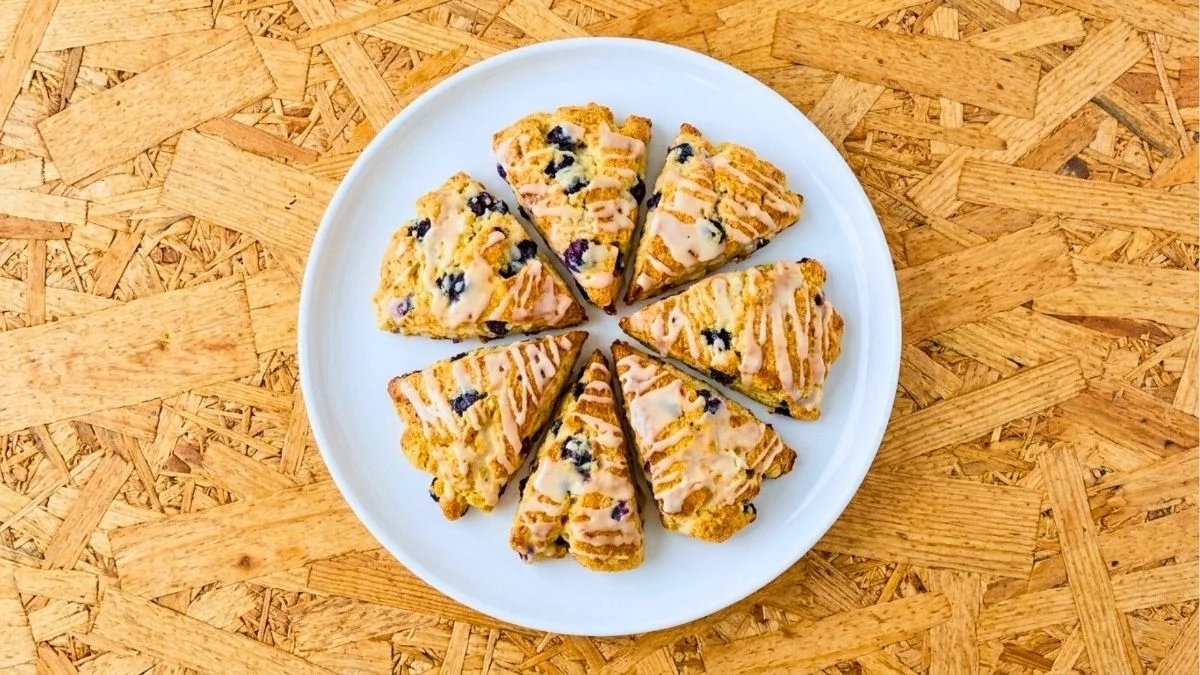
This Sally’s Baking Addiction Scones Recipe makes wonderfully tender, buttery scones with crisp golden edges and a soft center. The recipe is simple, but the little details-especially using frozen butter, handling the dough gently, and chilling the shaped scones-make a noticeable difference.
Enjoy them warm with butter and jam for breakfast, serve them alongside tea for an afternoon treat, or finish them with vanilla icing when you’re craving something sweeter. Once you get comfortable with this simple scone method, it’s an easy recipe to return to whenever you want a homemade bakery-style treat.
Drop a comment on the blog with your feedback-I can’t wait to hear what you think. Also, follow along on Pinterest, Facebook and YouTube for more tasty updates. Your support and thoughts mean the world!