


There is something wonderfully comforting about a bowl of rich, creamy lobster bisque. This Texas de Brazil Lobster Bisque recipe brings together tender lobster, a homemade lobster stock, aromatic vegetables, white wine, tomato paste, and silky cream for a soup that feels special enough for a restaurant but is completely doable in your own kitchen.
The secret is taking a little extra time with the lobster shells. Simmering them creates a flavorful stock that gives the bisque its deep seafood character. The vegetables add sweetness, while white wine and herbs brighten the rich creaminess. Finally, buttery pieces of lobster are folded into the soup and added on top for an extra-luxurious finish.
Whether you’re preparing it for a special dinner, holiday meal, or simply craving a restaurant-style seafood soup, this homemade lobster bisque is rich, cozy, and full of flavor.
What Is Texas de Brazil Lobster Bisque?
Texas de Brazil Lobster Bisque is a rich, creamy seafood soup inspired by the luxurious lobster bisque served in Brazilian steakhouse-style dining. Lobster meat and shells provide the main seafood flavor, while celery, carrots, onion, garlic, thyme, and tarragon build a savory aromatic base.

This version uses a homemade lobster stock made by simmering the cooked lobster shells, which gives the soup a much deeper flavor than simply using water or ordinary seafood broth. Tomato paste adds color and subtle richness, while white wine brings acidity and balance. Heavy cream finishes the bisque with its characteristic smooth, velvety texture.
The result is a creamy soup with tender bites of buttery lobster in every spoonful.
What Is the Secret to Great Lobster Bisque?
The secret to great lobster bisque is building flavor in layers, starting with a rich homemade lobster stock. Instead of discarding the shells, simmer them in water for 30–40 minutes to draw out their natural seafood flavor. This simple step gives the bisque a much deeper taste than using plain water or a basic broth.
A second key is gently cooking the vegetables, garlic, herbs, and tomato paste before adding the stock. This creates a flavorful foundation, while a splash of dry white wine adds brightness and balances the richness of the cream. Blending the vegetables until completely smooth gives the bisque its signature silky texture.
Finally, add the lobster meat near the end and warm it gently in butter and garlic. This keeps the lobster tender and juicy instead of tough or chewy. For an especially rich lobster bisque, use four lobster tails when making the stock and adjust the cream and cayenne to suit your taste.
Texas de Brazil Lobster Bisque Ingredients
For the Lobster Stock
- 3 lobster tails – Use 4 lobster tails if you want an especially rich and flavorful stock.
- 8 cups water – The base for simmering the lobster shells.
- Salt, as needed – Used to season the cooking water and lobster.
For the Bisque
- 2 celery stalks, finely chopped – Adds a mild savory flavor and aromatic base.
- 2 carrots, finely chopped – Brings natural sweetness and helps balance the rich cream.
- 1 medium onion, finely chopped – Adds depth and savory flavor.
- 1 teaspoon dried thyme – Gives the bisque a gentle earthy herb flavor.
- 1 teaspoon fresh tarragon, chopped – Adds a delicate, slightly sweet herbal note that pairs beautifully with lobster.
- 4 tablespoons butter, divided – Used both for cooking the vegetables and sautéing the lobster.
- 2 tablespoons cooking oil – Helps prevent the butter from browning too quickly while sautéing the vegetables.
- 1 heaping tablespoon minced garlic, plus extra for the lobster – Adds warmth and savory flavor.
- 1 small can tomato paste – Provides color, body, and subtle acidity.
- 3 tablespoons all-purpose flour – Helps thicken the bisque.
- 1¼–1½ cups white wine – Adds acidity and complexity to the soup.
- 5–6 cups homemade lobster stock – The flavorful foundation of the bisque.
- 2 cups heavy whipping cream – Creates the smooth, creamy texture.
- Cayenne pepper, to taste – Adds gentle heat.
- 1 spoonful Better Than Bouillon roasted chicken base – Adds extra savory depth to the finished soup.
- Black pepper, to taste – Seasons and balances the richness.
- Fresh parsley, for garnish – Adds freshness and a pop of color.
Kitchen Utensils and Equipment
You’ll need:
- Large pot or Dutch oven
- Large stockpot
- Fine-mesh strainer
- Cutting board
- Sharp chef’s knife
- Wooden spoon or spatula
- Immersion blender or countertop blender
- Medium skillet
- Measuring cups and spoons
- Ladle
- Large bowl for holding the lobster meat
Tip: An immersion blender makes blending the bisque much easier because you can blend it directly in the cooking pot.
Prep Time, Cook Time, and Servings
Prep Time: 20 minutes
Cook Time: 1 hour 15 minutes
Total Time: About 1 hour 35 minutes
Servings: 6–8
The total time can vary slightly depending on how quickly you chop the vegetables and prepare the lobster.
Step-by-Step Texas de Brazil Lobster Bisque Copycat Recipe Instructions
Just follow this simple step by step guideline to make your homemade version of Texas de Brazil Lobster Bisque in a delicious way.
1. Cook the Lobster Tails
Bring 8 cups of salted water to a boil in a large pot. Add the lobster tails and cook for about 5 minutes, or until the shells turn bright red.
Remove the lobster tails and allow them to cool enough to handle. Carefully remove the lobster meat from the shells and cut the meat into bite-sized pieces.
Place the lobster meat in the refrigerator while you make the stock. Keep the shells–they are going to provide a lot of the flavor for your bisque.
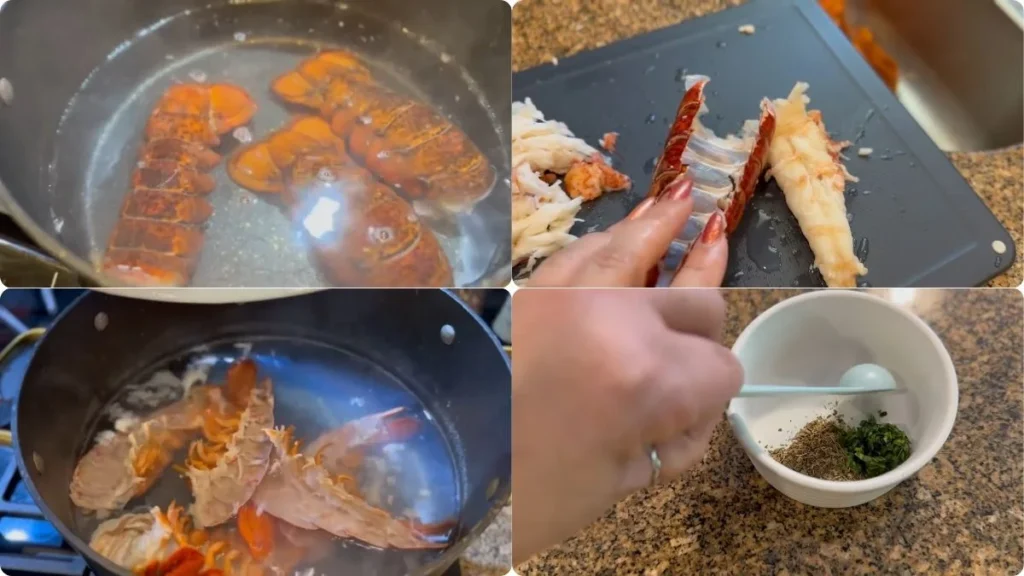
2. Make the Homemade Lobster Stock
Return the lobster shells to the cooking water and bring it back to a boil. Reduce the heat, cover the pot, and simmer for 30–40 minutes.
Strain the stock through a fine-mesh strainer, making sure no shell pieces remain. You should have approximately 5–6 cups of flavorful lobster stock.
Set the stock aside while you prepare the soup.
3. Cook the Vegetables and Aromatics
Heat a large pot over medium heat. Add 2 tablespoons of butter and 2 tablespoons of cooking oil.
Add the chopped celery, carrots, and onion. Sprinkle in the thyme and tarragon, then season with salt and black pepper.
Cook for 5–10 minutes, stirring occasionally, until the vegetables begin to soften.
Add the minced garlic and cook for another minute. Keep an eye on the garlic so it doesn’t burn.
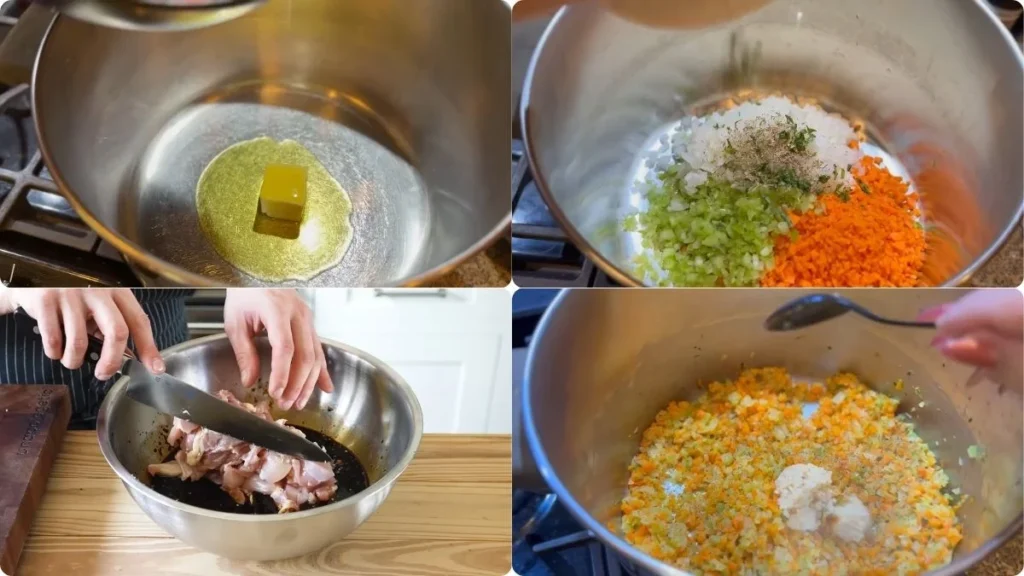
4. Build the Lobster Bisque
Add the tomato paste and flour to the softened vegetables. Stir thoroughly until everything is well combined.
Slowly pour in the white wine while stirring. Let it cook briefly so the wine can blend into the vegetable mixture.
Gradually add the 5–6 cups of lobster stock, stirring as you pour. Continue stirring until the mixture is smooth.
Bring the soup to a gentle simmer and cook for about 30 minutes, or until the vegetables are completely tender and the soup has thickened slightly.
5. Blend the Bisque Until Smooth
Carefully blend the soup in batches until it becomes smooth and creamy.
Return the blended soup to the pot.
Stir in 1 cup of heavy cream first. Add the remaining cup gradually until the bisque reaches the richness and consistency you prefer.
Add cayenne pepper and the roasted chicken Better Than Bouillon. Stir well and let the soup simmer gently until it thickens.
Avoid bringing the cream to a hard boil, as gentle heat will give you a smoother finished bisque.
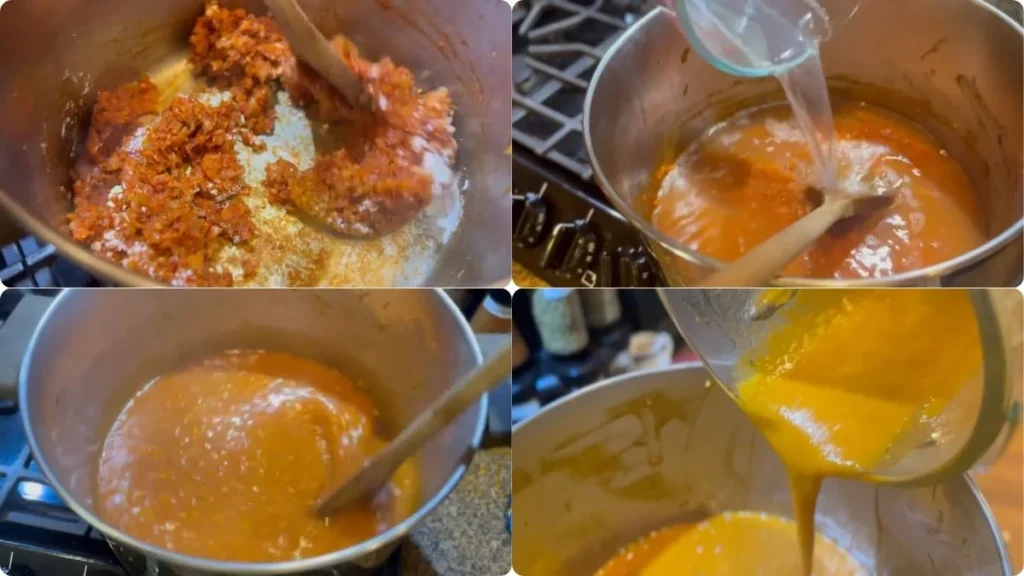
6. Prepare the Buttery Lobster Meat
Melt the remaining 2 tablespoons of butter in a skillet over medium heat.
Add a heaping spoonful of minced garlic and sauté for about 1 minute, just until fragrant.
Add the reserved lobster meat. Season with black pepper and a small amount of cayenne pepper.
Cook just until the lobster is heated through. Since the lobster has already been cooked, avoid cooking it for too long or it can become chewy.
7. Finish the Texas de Brazil Lobster Bisque
Stir half of the buttery lobster meat into the warm bisque.
Ladle the soup into serving bowls. Top each bowl with some of the remaining lobster pieces and finish with freshly chopped parsley.
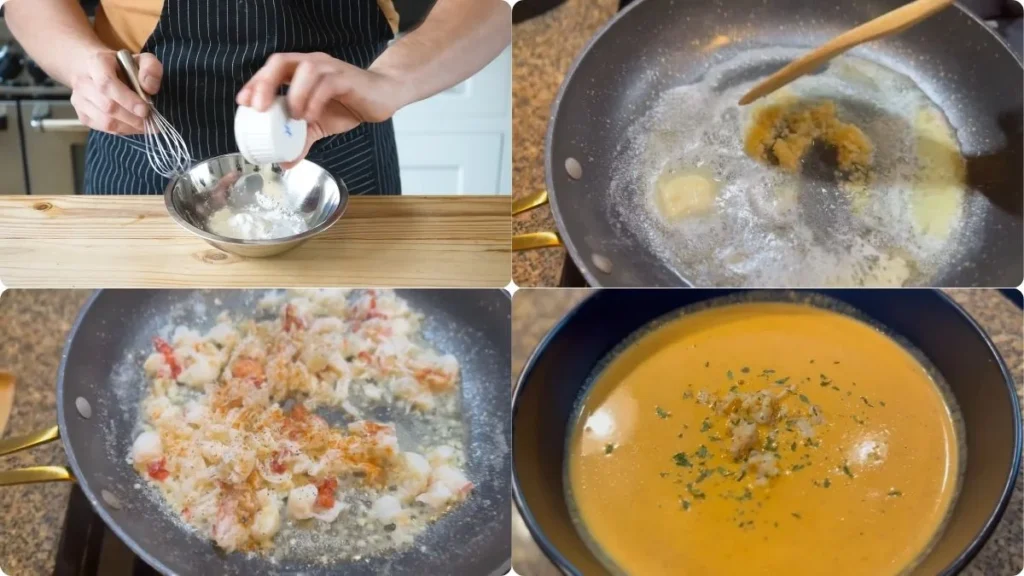
Serve immediately while the bisque is warm and creamy.
What’s the Difference Between Lobster Soup and Lobster Bisque?
The main difference between lobster soup and lobster bisque is the texture, richness, and way the lobster flavor is developed. Lobster soup is a broad term that can describe many types of soups made with lobster, including light brothy versions with vegetables and lobster meat. It doesn’t have to be creamy or thick.
Lobster bisque, on the other hand, is traditionally a smooth, rich, and creamy soup with a strong lobster flavor. The lobster shells are often simmered to make a flavorful stock, which is then combined with aromatics, wine, tomato, and cream. The soup is blended until silky smooth, sometimes with pieces of lobster added at the end.

In this Texas de Brazil Lobster Bisque recipe, the homemade lobster stock, sautéed vegetables, white wine, and heavy cream create the signature velvety texture and rich seafood flavor that sets a bisque apart from a simple lobster soup.
Tips, Tricks, and Substitutions for Texas de Brazil Lobster Bisque
Save the lobster shells. The shells are essential for making a flavorful homemade lobster stock. Don’t throw them away after removing the meat.
Use extra lobster tails for more flavor. Four lobster tails instead of three will give the stock a richer seafood taste.
Don’t burn the garlic. Garlic only needs about a minute to become fragrant. Burnt garlic can make the entire bisque taste bitter.
Add the cream gradually. Start with 1 cup and add more until you reach your preferred richness and thickness.
Keep the lobster tender. The lobster meat is already cooked before it goes into the final skillet. Warm it gently rather than cooking it for a long time.
For a thicker bisque: Let the soup simmer a little longer after adding the cream. You can also slightly increase the flour when making the base.
For a lighter bisque: Use less heavy cream and replace part of it with additional lobster stock.
For more heat: Add a little extra cayenne pepper, but add it gradually so the spice doesn’t overpower the lobster.

White wine substitution: A dry white wine works best. If you prefer not to use wine, you can replace it with additional lobster stock, although the finished soup will have less acidity and complexity.
Serving Suggestions for Texas de Brazil Lobster Bisque
Serve this Texas de Brazil Lobster Bisque hot in shallow bowls so the lobster topping is easy to see.
A few simple accompaniments work especially well:
- Crusty French bread or breadman bread for dipping
- Garlic bread
- Toasted sourdough
- A simple green salad
- Roasted vegetables
- Lightly dressed mixed greens
For a special dinner, serve a small bowl of lobster bisque as an elegant first course before steak, roasted chicken, seafood, or another hearty main dish.
A little freshly chopped parsley on top adds freshness and makes each bowl look restaurant-worthy.
Storage and Reheating Instructions
Let leftover lobster bisque cool before storing it. Put it in an airtight container and refrigerate for up to 3 days.
To reheat, place the bisque in a saucepan and warm it over low to medium heat, stirring often. Don’t let it boil because the cream can separate.
For the best texture, add a small splash of cream or stock if the soup becomes too thick after refrigeration.

Texas de Brazil Lobster Bisque Recipe
Ingredients
Method
- Bring 8 cups of salted water to a boil in a large pot. Add the lobster tails and cook for about 5 minutes, or until the shells turn bright red. Remove the lobster tails and allow them to cool enough to handle. Carefully remove the lobster meat from the shells and cut the meat into bite-sized pieces. Place the lobster meat in the refrigerator while you make the stock. Keep the shells–they are going to provide a lot of the flavor for your bisque.
- Return the lobster shells to the cooking water and bring it back to a boil. Reduce the heat, cover the pot, and simmer for 30–40 minutes. Strain the stock through a fine-mesh strainer, making sure no shell pieces remain. You should have approximately 5–6 cups of flavorful lobster stock. Set the stock aside while you prepare the soup.
- Heat a large pot over medium heat. Add 2 tablespoons of butter and 2 tablespoons of cooking oil. Add the chopped celery, carrots, and onion. Sprinkle in the thyme and tarragon, then season with salt and black pepper. Cook for 5–10 minutes, stirring occasionally, until the vegetables begin to soften. Add the minced garlic and cook for another minute. Keep an eye on the garlic so it doesn’t burn.
- Add the tomato paste and flour to the softened vegetables. Stir thoroughly until everything is well combined. Slowly pour in the white wine while stirring. Let it cook briefly so the wine can blend into the vegetable mixture. Gradually add the 5–6 cups of lobster stock, stirring as you pour. Continue stirring until the mixture is smooth. Bring the soup to a gentle simmer and cook for about 30 minutes, or until the vegetables are completely tender and the soup has thickened slightly.
- Carefully blend the soup in batches until it becomes smooth and creamy. Return the blended soup to the pot. Stir in 1 cup of heavy cream first. Add the remaining cup gradually until the bisque reaches the richness and consistency you prefer. Add cayenne pepper and the roasted chicken Better Than Bouillon. Stir well and let the soup simmer gently until it thickens. Avoid bringing the cream to a hard boil, as gentle heat will give you a smoother finished bisque.
- Melt the remaining 2 tablespoons of butter in a skillet over medium heat. Add a heaping spoonful of minced garlic and sauté for about 1 minute, just until fragrant. Add the reserved lobster meat. Season with black pepper and a small amount of cayenne pepper. Cook just until the lobster is heated through. Since the lobster has already been cooked, avoid cooking it for too long or it can become chewy.
- Stir half of the buttery lobster meat into the warm bisque. Ladle the soup into serving bowls. Top each bowl with some of the remaining lobster pieces and finish with freshly chopped parsley. Serve immediately while the bisque is warm and creamy.
Video
Notes
Common FAQs About Texas de Brazil Lobster Bisque
When you give this Texas de Brazil Lobster Bisque Recipe a try, you might have a few questions. Don’t worry-we’ve rounded up answers to the most common ones to help you out.
Can I make Texas de Brazil Lobster Bisque ahead of time?
Yes. You can prepare the bisque base ahead of time and refrigerate it. For the best texture and flavor, prepare the lobster meat separately and add it when you’re ready to serve.
Can I use frozen lobster tails?
Yes, frozen lobster tails can work. Thaw them completely in the refrigerator before cooking for the most even results.
Why do I need the lobster shells?
The shells contain a lot of the lobster’s natural flavor. Simmering them in water creates a homemade lobster stock that gives the bisque a much deeper seafood flavor.
Can I use store-bought lobster stock?
Yes. Store-bought lobster stock can save time. Choose a good-quality stock and adjust the salt carefully since prepared stocks can already contain quite a bit of sodium.
Why is my lobster bisque too thick?
The flour, tomato paste, and cream all contribute to the thickness. Simply stir in a little extra lobster stock or cream until you reach the consistency you like.
Why did my lobster become chewy?
Lobster can become tough when it is overcooked. Since the lobster is cooked once when making the stock, the meat only needs a short time in the butter and garlic skillet to heat through.
Can I freeze lobster bisque?
Cream-based bisques can change texture after freezing and thawing, sometimes becoming slightly separated. For the best results, make only as much as you plan to eat within a few days.
Can I make this lobster bisque without wine?
Yes. Replace the white wine with additional lobster stock. The flavor will be slightly different, but the bisque will still be creamy and flavorful.
This Texas de Brazil Lobster Bisque recipe turns simple ingredients into a wonderfully rich and comforting bowl of soup. Making your own lobster stock from the shells takes a little extra time, but that step gives the bisque its deep seafood flavor.
Cream, white wine, aromatic vegetables, herbs, garlic, and tomato paste round everything out, while buttery lobster pieces make the finished soup extra special.
Serve it with warm crusty bread for a cozy meal or make it the first course of an elegant dinner. Once you taste homemade lobster bisque this rich and creamy, you’ll understand why it’s such a beloved restaurant-style favorite.
Drop a comment on the blog with your feedback-I can’t wait to hear what you think. Also, follow along on Pinterest, Facebook and YouTube for more tasty updates. Your support and thoughts mean the world!
It tastes just like the restaurant version-pure velvet in a bowl!